
Research shows that 73% of travellers expect technology to shape their hotel experience, from booking to check-out, as reported by Oracle Hospitality. The most memorable luxury stays feel effortless, yet that sense of ease is carefully engineered. Behind every smooth check-in and personalized detail is a network of systems working quietly in the background.
Guest feedback from well-known properties, including the Biltmore Hotel Mayfair, often points to a common issue. Visitors appreciate refined spaces and attentive service, yet still notice when they must repeat preferences or follow up on requests. These moments highlight a deeper challenge. Service quality depends not only on staff, but on how effectively technology supports them. When systems are aligned, the experience becomes far more seamless.
Step-by-Step Guide: What Great Hotel Tech Looks Like
Step 1: Build Unified Guest Profiles
Seamless stays begin with a single, unified guest profile. This system gathers preferences, previous bookings, special requests, and service history into one accessible record. It ensures that every department, from reception to housekeeping, works with the same information.
Data from McKinsey & Company suggests that personalization can increase customer satisfaction by up to 20%. In luxury hotels, this often appears in subtle but meaningful ways. A guest arrives to find their preferred room setup already prepared, or dining staff are aware of dietary needs without being reminded.
Despite the importance of personalization, many properties still operate with disconnected systems. Front desk platforms may not fully integrate with concierge or housekeeping tools, leading to gaps in communication. These challenges underscore the need for a centralized approach. By unifying guest data, hotels reduce errors and improve coordination across all service areas.
For travellers, the benefit is immediate. There is less repetition and a greater sense of being understood. For decision-makers, unified profiles provide a reliable foundation for consistent, high-quality service.
Step 2: Automate Pre-Arrival Messaging
The guest journey begins well before arrival. Automated pre-arrival messaging allows hotels to communicate clearly and efficiently, without placing extra pressure on staff. These messages often include digital check-in options, booking confirmations, room readiness alerts, and curated local recommendations.
Insights from Skift Research indicate that travellers value proactive communication, particularly when it reduces uncertainty. Knowing what to expect before arrival helps guests feel more confident and relaxed.
Smart systems enhance this process by tailoring messages to individual guests. Returning visitors may receive suggestions based on previous stays, while first-time guests are guided through available services and amenities. Timing is equally important. Messages should arrive at the moment they are most useful, creating a natural flow of information.
This reflects a broader trend in how software and programming simplify everyday life, where automation reduces repetitive tasks and improves efficiency across industries. As highlighted by Java Slang, many routine activities, from communication to scheduling, are now streamlined through software, allowing both businesses and users to focus on more meaningful interactions.
These automated touchpoints set the tone for a seamless stay. Guests arrive informed and prepared, while hotel teams can focus on meaningful interactions rather than routine explanations.
Step 3: Enable Real-Time Issue Tracking
Even in the most refined environments, issues can arise. What distinguishes leading luxury hotels is how quickly and effectively those issues are resolved. Real-time issue tracking systems ensure that every concern is logged, assigned, and addressed without delay.
According to Deloitte, efficient service recovery plays a key role in building guest loyalty. When problems are handled promptly, guests are more likely to leave with a positive impression, even if something went wrong initially.
These systems create visibility across departments. A maintenance request, for example, is instantly routed to the appropriate team, while managers can monitor progress in real time. This reduces confusion and ensures accountability.
For staff, the process becomes clearer and more structured. For guests, it creates reassurance. Concerns are acknowledged quickly and resolved with minimal disruption, reinforcing trust in the property.
Bonus: How Travellers Can Identify Tech-Savvy Luxury Hotels
Much of hotel technology operates behind the scenes, yet there are clear signs that a property invests in modern systems. Travellers can look for practical indicators when choosing a luxury hotel.
- Mobile check-in that reduces waiting time at arrival
- Chat-based customer service for quick and convenient communication
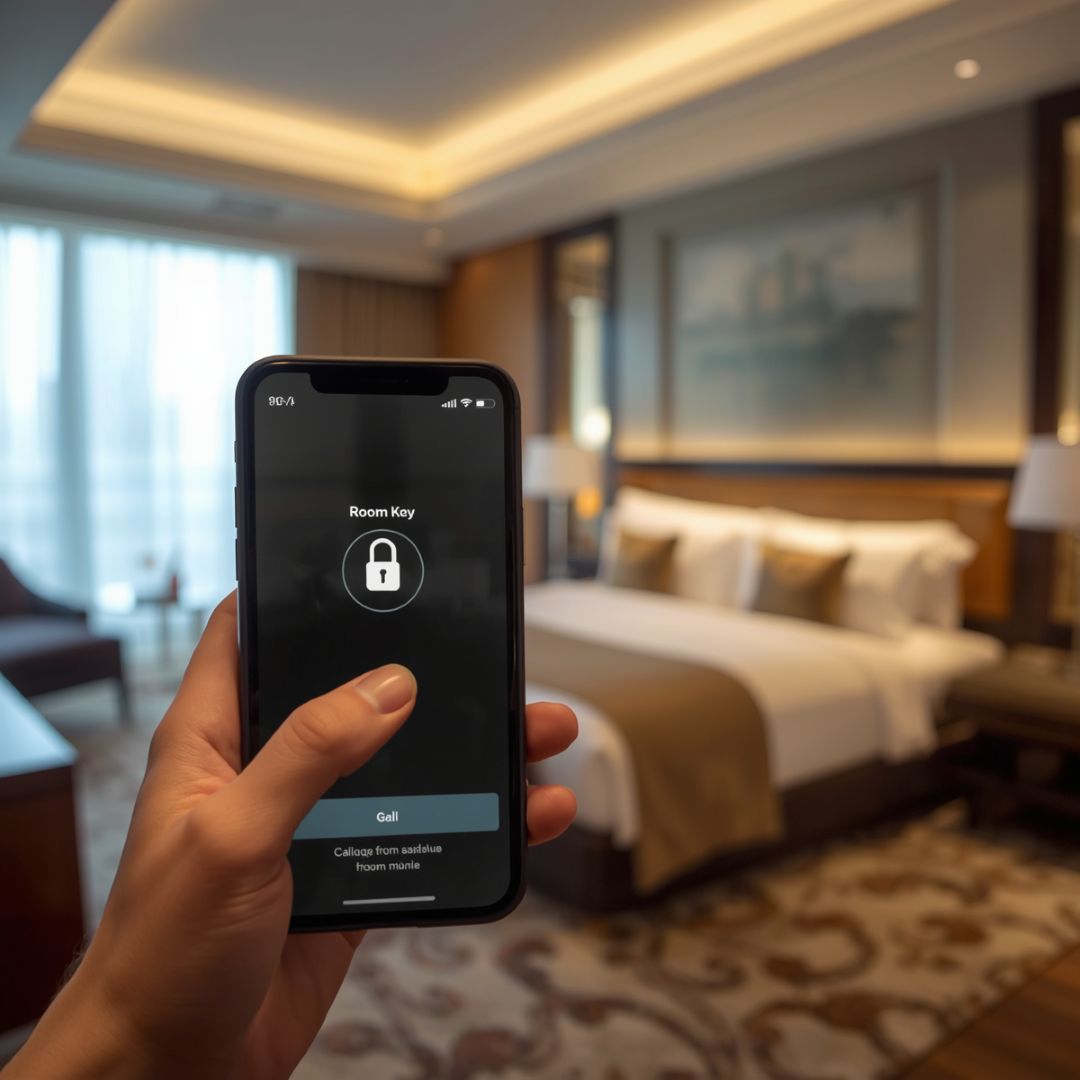
- Digital room keys accessible through a smartphone
- Personalized pre-arrival messages with relevant information
- Consistent service where staff already understand guest preferences
These features suggest that internal systems are well integrated. Industry insights from Hospitality Net show that hotels adopting digital tools tend to deliver more reliable and satisfying experiences, especially for modern travellers who value convenience.
Conclusion
Technology is quietly redefining what seamless service means in luxury hotels. Unified guest profiles remove the need for repetition. Automated messaging keeps communication clear and timely. Real-time tracking ensures that issues are resolved quickly and efficiently.
Iconic properties such as the Mayfair Biltmore residence reflect how expectations continue to evolve. Guests now look beyond design and location. They notice how smoothly each part of their stay unfolds, from booking to departure.
For hotel leaders, the direction is clear. Smart technology does not replace human service, it strengthens it. When systems manage information and routine processes, staff are free to focus on genuine hospitality.
For travellers, the takeaway is simple. When a stay feels effortless, it is often because the right technology is working quietly in the background. In that moment, a luxury hotel experience becomes something far more memorable.